
Whats On My Render
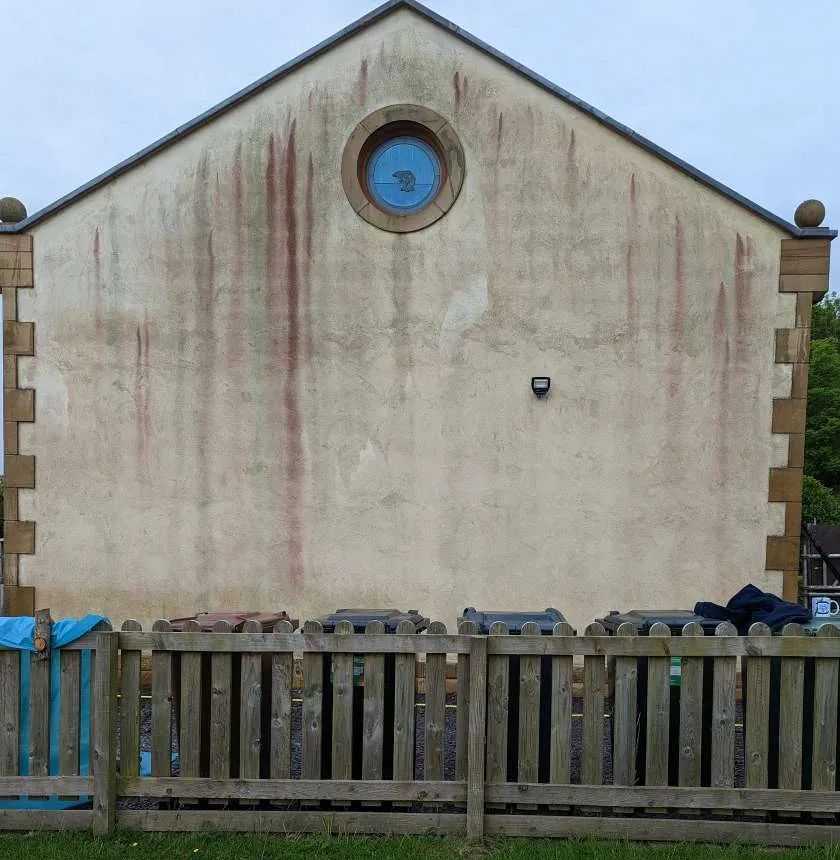
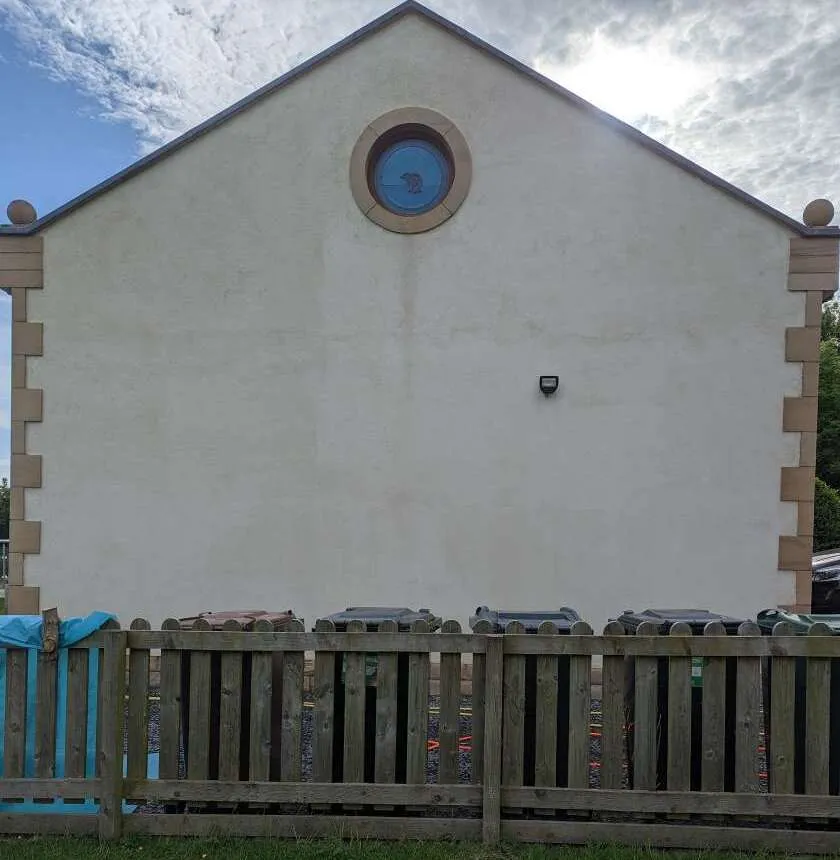
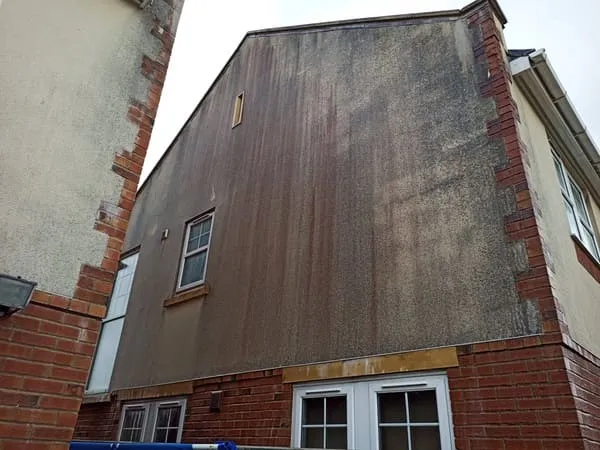
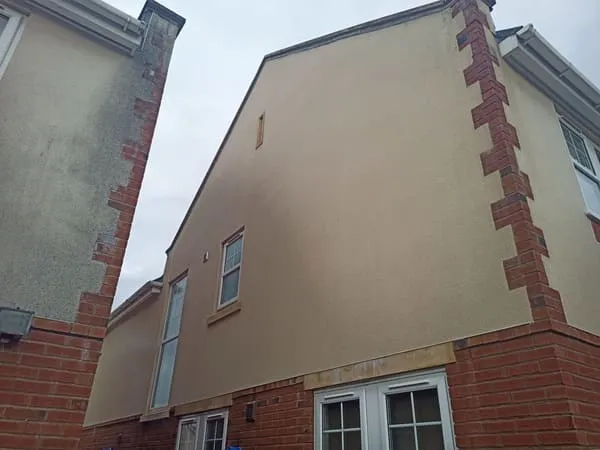
Do you have Red, Green or Black marks on your render? We can make it look like new
Algae-Cyanobacteria
Phototrophic Microorganisms
Filamentous Cyanobacteria
Blackish-Green Pigmentation
Biofilm
A Biofilm forms when certain microorganisms adhere to a surface in a moist environment and begin to reproduce.Biofilm formation on surfaces usually starts with phototrophic organisms (algae, cyanobacteria) which use carbon dioxide (CO2) from the atmosphere and sunlight as their carbon and energy source.
Heterotrophic organisms (most bacteria and all fungi) need some organic source for their growth, and this is provided by the metabolites of phototrophic organisms or by airborne deposition. The biofilm community is therefore sometimes formed by a single microbial species, but in nature biofilms almost always consist of mixtures of many species of bacteria, as well as fungi, algae, yeasts, protozoa, and other microorganisms, along with non-living debris and corrosion products.
All biofilm forming microorganisms may cause biodeterioration and degrade stone or render mechanically, chemically and aesthetically through the metabolic activities and biomineralization process in these biofilms.
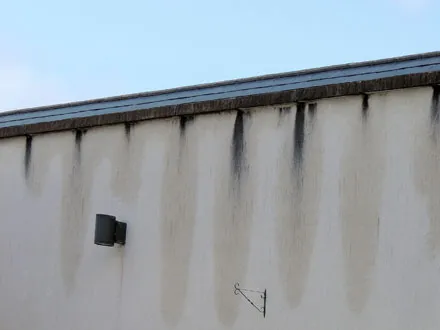
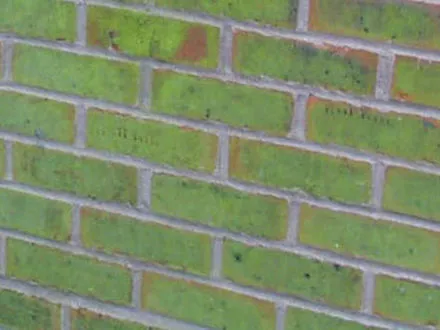
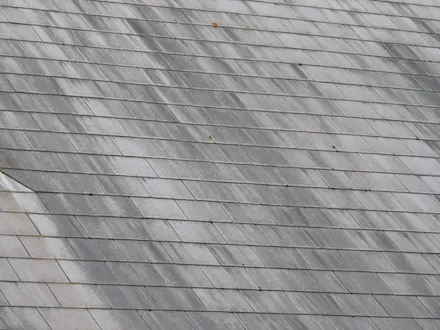
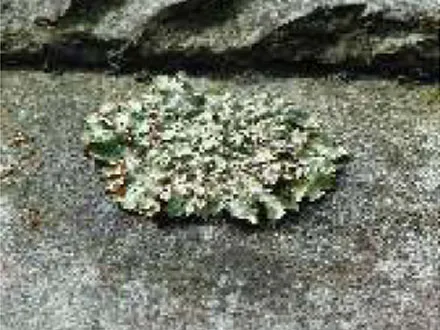
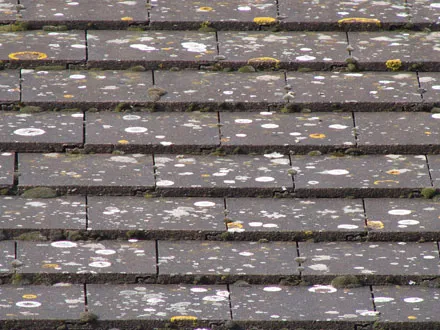
A Biofilm forms when certain microorganisms adhere to a surface in a moist environment and begin to reproduce.Biofilm formation on surfaces usually starts with phototrophic organisms (algae, cyanobacteria) which use carbon dioxide (CO2) from the atmosphere and sunlight as their carbon and energy source.
Heterotrophic organisms (most bacteria and all fungi) need some organic source for their growth, and this is provided by the metabolites of phototrophic organisms or by airborne deposition. The biofilm community is therefore sometimes formed by a single microbial species, but in nature biofilms almost always consist of mixtures of many species of bacteria, as well as fungi, algae, yeasts, protozoa, and other microorganisms, along with non-living debris and corrosion products.
All biofilm forming microorganisms may cause biodeterioration and degrade stone or render mechanically, chemically and aesthetically through the metabolic activities and biomineralization process in these biofilms.
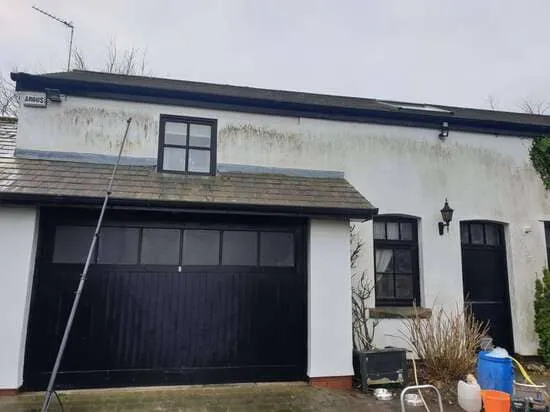
K-rend cleaning
- Tennis and sports courts
- Public buildings
- Hotels
- Restaurants
- Retail and business parks
- Car parks
- Swimming pools and their surrounds
- Commercial block paving
- Grafitti removal
- Concrete and tarmac
- Driveways
- Patios
- Plant and machinery
- UPVC shop fronts

How do we get the best cleaning results?
Softwash render cleaning
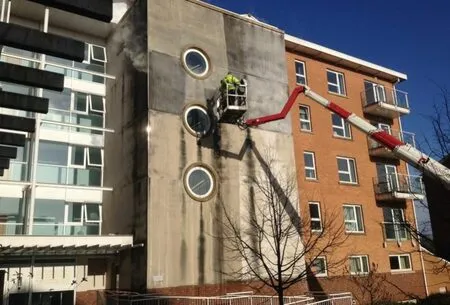
Render is widely used across the UK. Although the lifespan of render is between 20 to 40 years, if not cleaned regularly, the color of the render will appear to fade. This is due to the fact that over the period of time, render gets infected with algae, moss and lichens etc, thus it ruins the appearance of the building. We provide a professional cost-effective Softwashing render cleaning Service. From industrial warehouses to modern office blocks; from housing estates to small, privately-owned apartments. Cleaning Service Ltd offer a cost-effective solution to your K-rend render cleaning issues. We will carry out work to a high professional standard, and the property owner will avoid both the effort of a labour-intensive job and the potential risk of injury.
If you have a K-rend render cleaning project give us a call and we can give you a free consultation to talk you through the process and give you expert advice. Tel 08000933267 or use our contact form below.
For more information, about our K-rend render cleaning service feel free to contact us. Calls are not charged, and we’re always happy to discuss the ways in which our cleaning services can benefit you, whatever your requirements.

Certified K-render Cleaners
Whether you need a full clean of your building’s exterior render or localised clean please feel free to contact us. We offer free advice no obligation advice on all matters pertaining to the cleaning of render. We also can provide structured maintenance plans that when implemented correctly will preserve the render, reducing the cost of maintaining it.
If you would like to discuss the ways in which our render cleaning service can benefit your business or commercial property, please call Cleaning Service Ltd for free. We will be happy to give you a no-obligation quote or free advice. You can also fill out our form below, so please feel free to contact us.
- Only Eco-friendly products
- Outstanding results
- Solution to Suit every budget
- Long-term Warranties
- Guaranteed Satisfaction
Moss & Lichen
Phototrophic Microorganisms
Filamentous Cyanobacteria
Blackish-Green Pigmentation
Moss are part of the Bryophytes and, unlike plants have no vascular tissue and reproduce by the production of spores. They are prolifically produced by fungi, moss and, in particular ferns. Most spores are distributed by wind. Typically, spores are released in early May, for a period of about one week. Prior to release, the spore sacks are ripening, but once the conditions are appropriate, they release the spores and thereafter the spore sacks are empty.
Hence, the major period of concern for spread is limited the high sporulation period. Quaternary Ammonium Compounds (DDAC) are not effective at killing spores due to the spores having a thickened cell wall. However, as the spores begin to germinate, they produce protonema which are thread-like filaments which grow and colonise the substrate on which they have established.
The protonema have thin cell walls and it is at this stage that the DDAC is able to penetrate protonema and disrupt the cells, killing the organism prior to it becoming established on surfaces. In addition to the effectiveness against moss, AlgoClear® Pro is an extremely effective algaecide and will be effective at reducing these species colonising most surfaces.
Phototrophic Microorganisms
Filamentous Cyanobacteria
Blackish-Green Pigmentation
Red Algae
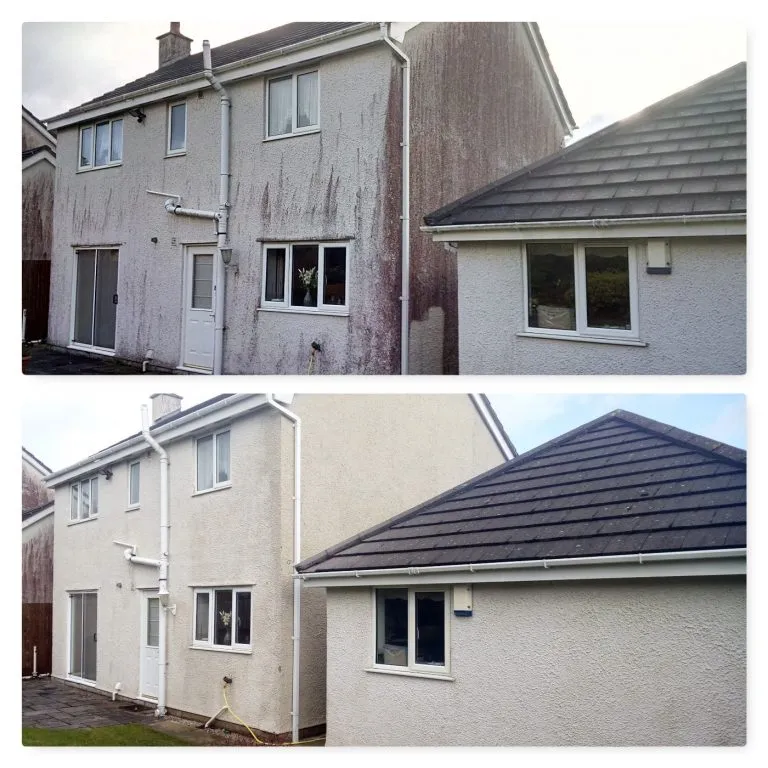
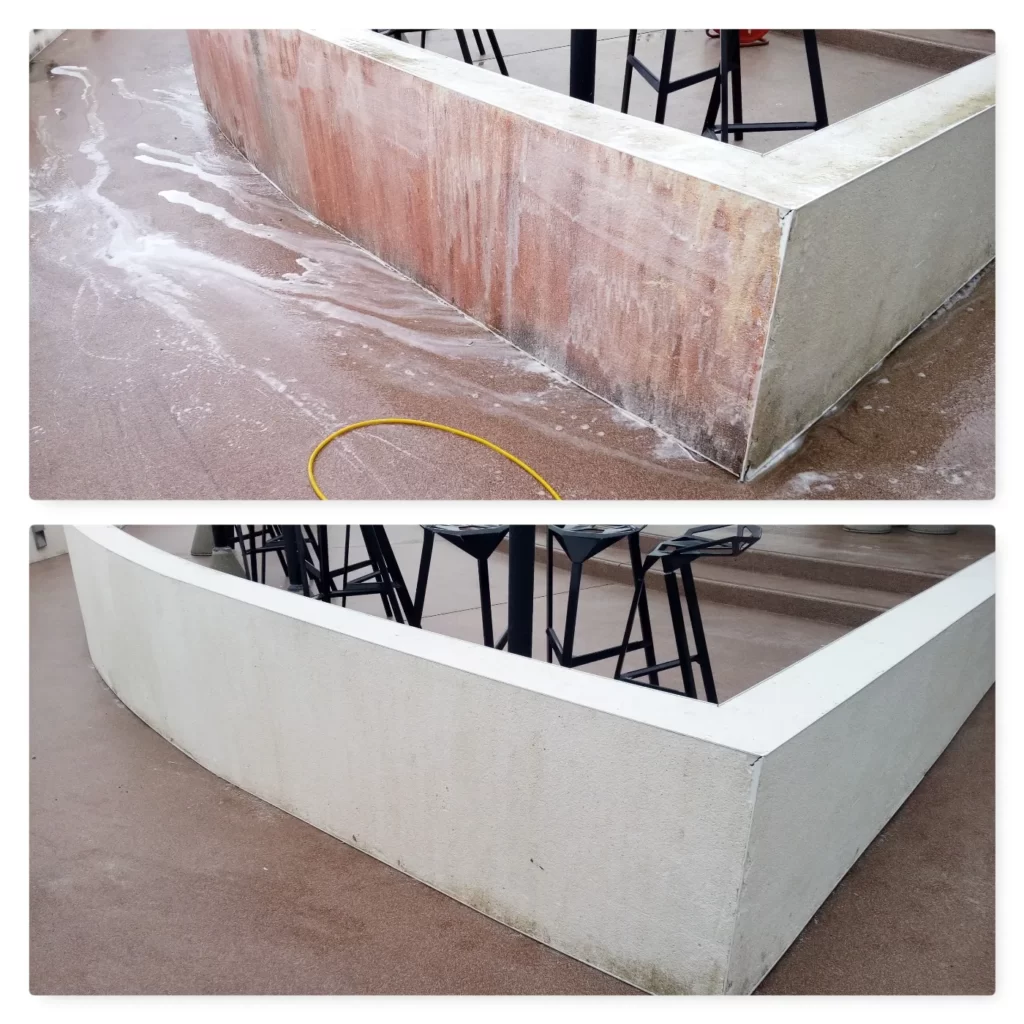
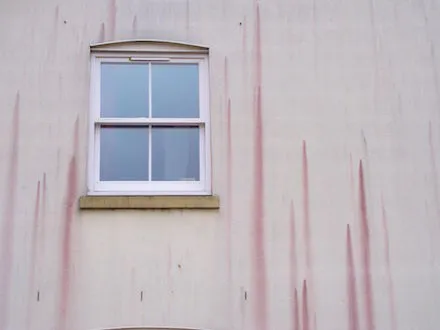
The genus Trentepohlia would not, at first glance, be taken as a green alga. Free-living species are mostly yellow to bright orange or red-brown in colour, due to the orange pigment, haematochrome (β-carotene), which usually hides the green of the chlorophyll. The genus is terrestrial and is often found in Europe on rocks, walls and tree bark. Where they are found on buildings, they can cause severe mechanical degradation and deterioration.
Fabio Rindi and Michael D. Guiry (2002) have identified five species of the genera Trentepohlia and Printzina in urban habitats in Western Ireland: Trentepohlia abietina (Flotow) Hansgirg, T.aurea (Linnaeus) Martius, T. iolithus (Linnaeus) Wallroth, T.cf.umbrina (Kützing) Bornet, and Printzina lagenifera (Hildebrandt) Thompson et Wujek. These species formed perennial populations on a variety of substrata. Of the species identified, T.aurea and T.iolithus were found on old concrete and cement walls; in particular, the latter species formed characteristic, extensive, deep-red patches on many buildings.
Western Ireland is a cold temperate area with high levels of rainfall and humidity. This area therefore supports a high level of rich and diversified algal flora. Trentepholia have been identified as one of the most common species to be isolated from walls and buildings in this region (Rindi, Guiry 2002).
Black Fungi
Phototrophic Microorganisms
Filamentous Cyanobacteria
Blackish-Green Pigmentation
Phototrophic Microorganisms
Filamentous Cyanobacteria
Blackish-Green Pigmentation


Get a quote and advice from our friendly team
Pages
- Home
- Blog
- About Us
- Contact Us
Contact Details
- 0800-0933-267
- info@cleaning-service.uk.com
- 491, SD Office Wight Moss Way Southport Merseyside, PR84ZZ
- Mon-Sat: 08:00am – 05:00pm / Closed public holidays
Our Location
© 2023 Render Cleaning. All Rights Reserved.